
Here is a checklist of items that unit owners have missed:
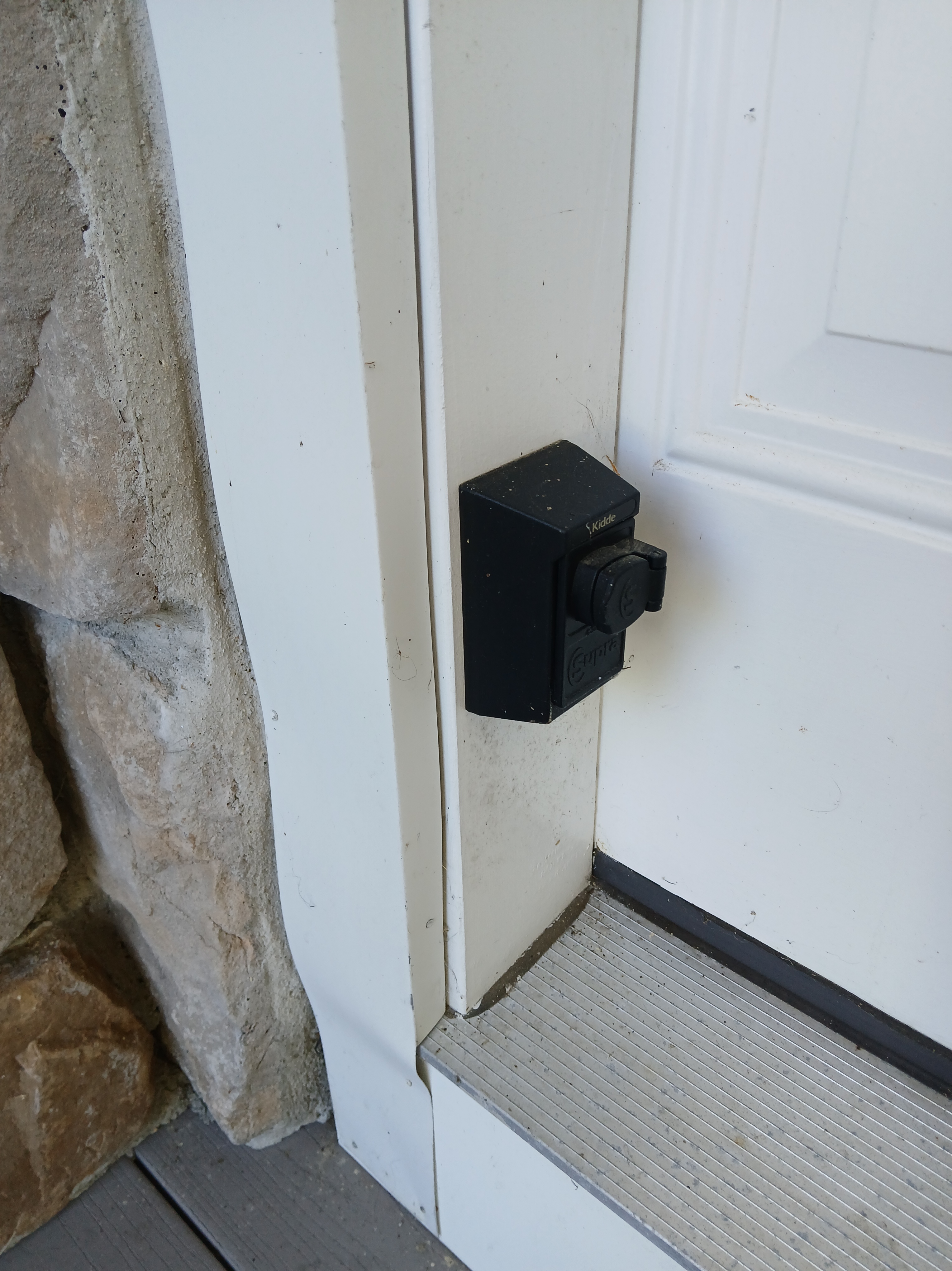 If you are new to the Village, you might ask: what is this black thing outside my front door? It holds the key to your front door. In an emergency, the Fire Department, Police Department or a Town EMT would have access to your home – without having to break down your front door. If you ever change the lock on your entry door, be sure to notify the Fire Department so they can place a new key in the box.
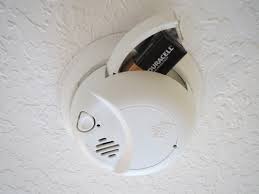 Smoke and CO detector batteries should be changed every six months or at least annually. If not, that chirping sound at 3:00 AM could be more than a nuisance. Standing on a chair when half asleep is not recommended. Change the batteries systematically and make a note of when. Remember that disabling the detectors violate codes – and could lead to injury, damage or death to you or your neighbors.
Fire and CO detectors have a limited lifetime. Fire Safety Rules require replacement at 10 years but ours needed replacement in just 5 years. At the end of the life cycle, they can set off their alarms randomly – with no apparent cause. If an owner orders identical units, they can be installed in the original bases. Completely different units would require an electrician. See the Contractors page.
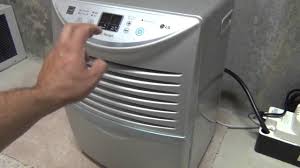
A humid basement promotes the growth of mold and mildew – which can damage possessions and be a health risk. Dehumidifiers can solve this problem. We recently installed a new one recommended by Consumer Reports. Most owners will install a short piece of hose allowing the unit to drain into the condensate pump near the furnace. This eliminates the need to empty buckets. It’s also a good idea to place a humidistat in a spot some distance from the dehumidifier to double check the actual humidity level.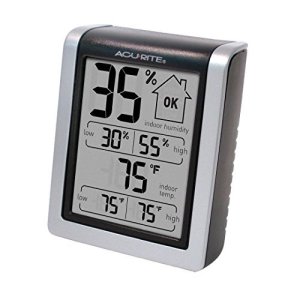
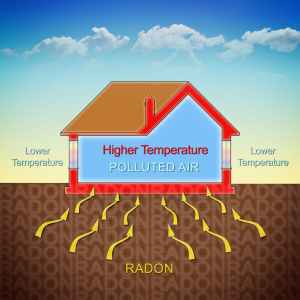
Some of our units have tested positive for radon gas. About seven owners have installed radon remediation systems which effectively remove the gas. A company used most recently is Radon Systems of Sutton, MA. We found them to be competitive price wise. The installation took about 1/2 a day and immediately resolved the problem.
- Radon comes from the natural decay of uranium in soil and rock.
- It can move up through the ground and into your home through cracks in the foundation, walls, and basement floor.
- Radon can also enter through construction joints, sump pumps, and cavities in walls.
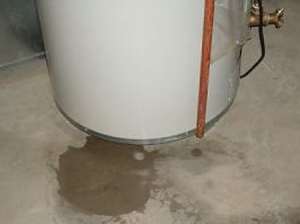
Electric Hot Water Heaters have an expected life of about 10 years – more or less. Gas units even less. Usually we know it is time for a new one when they begin to leak. You may wish to be proactive and replace an old unit before that happens. You will save money on utility bills as newer ones are much more efficient. To prevent damage to items stored in your basement, install an alarm. They are inexpensive and available at Amazon or hardware stores. As with fire alarms, you should test them periodically – they are usually battery powered.
Here is a typical one. 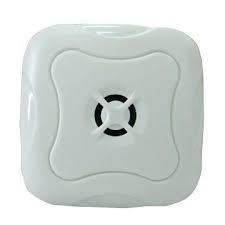 Place it on the floor next to the heater. It will emit a loud alarm when it detects moisture. Look for ones with a high decibel alert. We recently installed water alarms that are wifi connected. We would receive a leak alert on our phone no matter where we are.
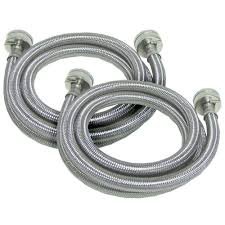 Another source of potential water damage are the hoses supplying water to your washing machine. The Rules require “burst proof steel jacketed hoses”. These are easy to install and provide piece of mind.
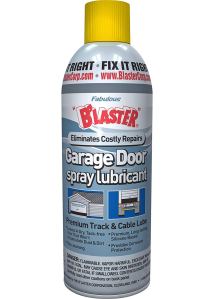 Does your garage door sound like an old horror film? Here is the solution. Spray this lubricant on the rollers within the garage door tracks. Open and close the door a couple of times to distribute the lubricant. Do this twice a year. Not only will you silence that awful sound, but you will extend the life of the whole garage door opener system!
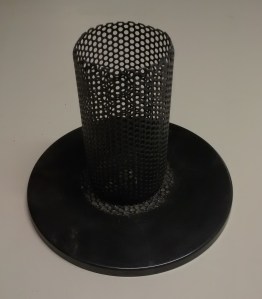 Some units have a central vacuum system. Don’t forget to empty the cannister! In addition, there is a filter that should be cleaned regularly. It is removed by loosening a wing nut at the bottom of the large disk. Filters that become clogged or over filled canisters will greatly reduce the effectiveness of the system.
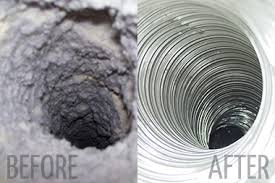 Dryer vents must be cleaned annually. A clogged dryer vent is a fire hazard and blockage will reduce the efficiency of the dryer dramatically – costing more to operate.
Special Note: The Board of Governors has voted to assign the annual cleaning of dryer vents to a professional company. The HOA will pay for the service from the General Maintenance and Repair budget.
However, it is important that owners periodically check their dryer vent connections to be sure they are secure. A leak could send moisture into the building and lead to mold formation. This is an owners responsibility.
 If you have an older refrigerator, it may need regular service. The coils accumulate dust and should be cleaned regularly. A refrigerator can be a large consumer of electricity. Dust covered coils reduce it’s efficiency. Also, there is a white plastic evaporative tray that should be checked – mold can accumulate and may be recirculated through the kitchen via the cooling fan.
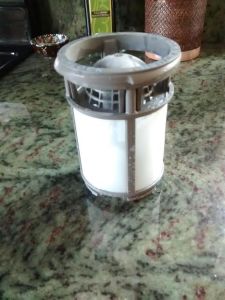 Some of our dishwashers have a filter that requires cleaning on a regular basis. Our Whirlpool has this filter which we clean monthly using a toothbrush and detergent. Consult your owners manual for guidance as to removal and/or replacement. Other units have drain slots that should be kept clear.
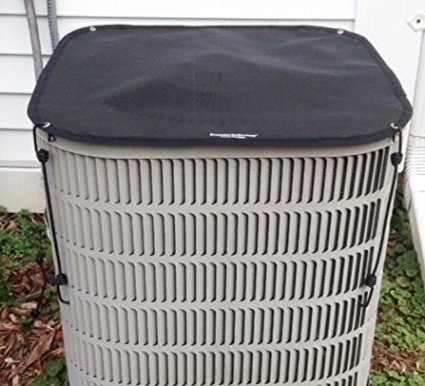
Should we cover our air conditioners during the winter? Maybe. We don’t. Some owners like to completely wrap their A/C units with a full cover. But a complete cover can provide shelter for rodents who can chew through wiring and other components. Consider a top cover. This protects the fan from ice damage.
 Another maintenance item that many of us overlook is the condensate pump near our furnace/AC unit. It collects the water that is a by-product of cooling and heating and pumps it periodically into the central drain. It should be cleaned annually. If not, it may become clogged and malfunction – sending the water onto the basement floor. This could be a do it yourself project. But most owners would benefit from an annual tune up visit from an HVAC tech.
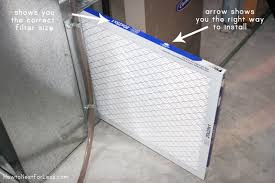 Furnace filters should be changed very regularly. Every 3 months is highly recommended – especially for those with allergy or respiratory problems. At a minimum, one should consider replacement before 6 months. A blocked filter can reduce furnace and AC efficiency, leading to higher utility bills. Cheap filters will only collect large dust and hair. Read about the levels of filtration. Most people would benefit from a filter rated an 8 on the MERV scale. Those with health issues may wish to upgrade to an 11,12 or 13.
And finally, some best practices:
1. When leaving the condo for more than 5 days, consider turning off the water at the meter. If your unit has fire sprinklers, they will not be affected.
2. Be sure to leave the Thermostat at no lower than 55 degrees when leaving the home during the winter. And keeping the Air Conditioner on when away in the summer can help prevent mold and mildew.
 Ellsworth Village Condominium Guide